The Value of Preventive Visits to a General Dentist in Santa Clarita CA

Most people do not think much about their teeth when nothing hurts. That is understandable. Daily life is busy, schedules are crowded, and a dental appointment can feel easy to postpone when work, school, and family responsibilities are competing for attention. Yet in practice, the patients who stay most comfortable, spend less over time, and keep more of their natural teeth are usually the ones who come in before there is a problem.
That is the real value of preventive care. A routine visit is not simply a cleaning and a quick look around. It is an opportunity to catch disease early, monitor changes that happen slowly, and make small corrections before they become expensive, invasive, or painful. For families looking for a general dentist in Santa Clarita CA, preventive visits often become one of the smartest long-term healthcare habits they can build.
Santa Clarita has many of the same dental challenges seen in other growing communities. Busy households mean delayed appointments. Teens with sports schedules may miss cleanings. Adults working long hours often grind their teeth and ignore jaw tension. Retirees may be managing dry mouth from medications. None of these issues starts as an emergency. Many of them become one because warning signs were subtle and easy to miss at home.
What preventive dental visits actually include
A good preventive appointment is more thorough than many people realize. It usually combines professional cleaning, an examination of the teeth and gums, screening for early decay, evaluation of old restorations, and a look at the bite, soft tissues, and oral hygiene habits. Depending on age, risk level, and history, it may also include X-rays, fluoride treatment, sealants, or discussion of home care tools that fit a patient’s needs.
The cleaning portion matters because even diligent brushing cannot fully remove hardened tartar once it forms. Plaque is soft and can be disrupted at home. Tartar is different. It adheres to the teeth and creates a rough surface where more bacteria collect. This is one reason gums stay inflamed even in patients who feel they are brushing well. When a hygienist removes tartar and polishes surfaces, the mouth becomes easier to keep clean again.
The exam is where much of the long-term value lies. Cavities often begin in grooves, between teeth, or around the edges of existing fillings. Gum disease can progress quietly for months or years. Small cracks can deepen with heavy chewing or nighttime clenching. Oral cancer screening, while often brief, is another meaningful part of a routine visit because suspicious changes in soft tissue are not always painful early on.
Preventive dentistry works because it respects timing. Tiny problems are easier to manage than advanced ones. A small cavity may need a simple filling. Wait long enough and that same tooth may require a crown, root canal, or extraction. Mild gingivitis may improve with cleaning and better home care. Left alone, it can move into periodontitis, where bone loss enters the picture and treatment becomes more involved.
The money question patients always ask
For many households, cost is the reason preventive care slips. People often assume skipping a checkup saves money. In the short term, it may. Over a span of years, that logic usually fails.
A routine preventive visit is one of the least expensive services in dentistry. Restorative treatment is where costs rise. A filling costs more than a cleaning. A crown costs more than a filling. An implant or bridge after tooth loss costs more than a crown. When gum disease advances, treatment can require deeper cleanings, maintenance visits, and in some cases referral to a specialist.
I have seen this pattern play out countless times in ordinary, preventable ways. A patient misses two years of visits because nothing feels wrong. They return with bleeding gums and a broken filling that let decay spread underneath. What could have been handled with a modest repair now turns into a crown, several overdue cleanings, and a conversation about bone loss around another tooth. Nobody intended for it to get that far. Life simply got busy.
There is also an indirect financial cost people rarely factor in. Dental emergencies disrupt workdays, school routines, travel plans, and sleep. A preventive appointment is scheduled on your terms. A toothache usually is not. When pain wakes someone at 2 a.m. Before a business trip or a family event, the price is measured in more than dollars.
Why “nothing hurts” is not a reliable standard
Pain is a late signal in dentistry. That surprises patients, but it is one of the most important truths to understand.
Tooth decay can spread through enamel and dentin before reaching the nerve. Gum disease can destroy supporting structures with very little discomfort at first. Old dental work can fail gradually. A cracked tooth may only give brief twinges when chewing, then feel fine for weeks. By the time pain becomes constant, the problem is often larger and treatment is less conservative.
This is especially relevant for adults who have had dentistry done over many years. Fillings, crowns, and bridges do not last forever. They can perform well for a long time, but they still need monitoring. Margins can open, cement can wash out, and tiny fractures can form around biting forces. Regular exams let a general dentist track these changes before they become catastrophic.
The same principle applies to children and teenagers. Parents sometimes assume baby teeth matter less because they eventually fall out. In reality, decay in primary teeth can affect comfort, speech, nutrition, and spacing for permanent teeth. Preventive visits help establish healthy patterns early and make the dental office feel normal rather than frightening.
The link between oral health and overall health
Dentistry is not separate from the rest of the body. The mouth is part of the body’s daily function, immune response, and inflammatory burden. While dentists should avoid overclaiming what oral care can do, it is well established that poor gum health and chronic inflammation can complicate broader health management.
Patients with diabetes, for example, often face a two-way challenge. Elevated blood sugar can make gum disease harder to control, and active gum infection can make blood sugar management more difficult. Pregnant patients may notice gums bleed more easily because of hormonal changes. Older adults taking multiple medications may develop dry mouth, which increases cavity risk quickly because saliva plays such an important protective role.
Even the simple mechanics of eating matter. When teeth are sore, loose, or missing, people change what they eat. They avoid crunchy fruits and vegetables, lean toward softer processed foods, and chew less effectively. That shift can affect nutrition over time, particularly for older adults.
Preventive visits help connect these dots. A general dentist in Santa Clarita CA who sees patients regularly can notice when dry mouth has worsened, when erosion suggests acid exposure, when recession is advancing, or when inflammation is not responding as expected and may need medical context. That kind of continuity is hard to replace with occasional emergency-only care.
What changes with age
Preventive care is not one-size-fits-all. The goals evolve over time.
For children, prevention often centers on cavity control, diet habits, sealants, and building positive routines. Young patients benefit from learning that dental visits are ordinary and manageable. The tone of those early appointments matters because fear tends to grow in the absence of familiarity.
For adults in their working years, the recurring issues are usually gum health, wear from stress-related grinding, old fillings, and consistency with home care. This is the age when many people are juggling enough responsibilities that they start postponing care. It is also the age when small dental problems often begin to compound.
For older adults, the risk profile shifts again. Root surfaces may become exposed as gums recede. Existing crowns and bridges need regular assessment. Dry mouth from common medications can raise cavity risk dramatically, especially around the gumline. Dexterity changes can make brushing and flossing more difficult, which means home care strategies sometimes need to be adjusted rather than simply repeated.
A thoughtful dentist does not give every patient the same script. Prevention is most effective when it reflects age, health history, habits, and goals.
The role of X-rays, and why timing matters
Some patients hesitate when X-rays are recommended, usually because they are trying to avoid unnecessary cost or exposure. That is a reasonable question. Good dental care https://eduardofhpp692.urbanvellum.com/posts/the-role-of-a-general-dentist-in-santa-clarita-ca-in-preventive-care should be selective and based on need, not automatic overuse.
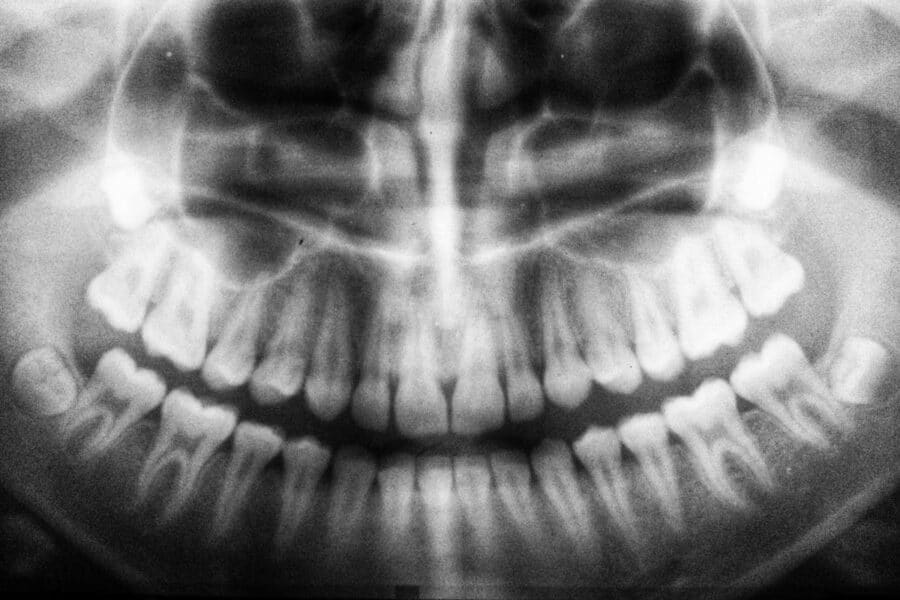
At the same time, there are limits to what can be seen with the naked eye. Decay between teeth, bone levels around roots, infections at the tip of a root, and certain impacted teeth may not be visible during a standard visual exam. X-rays are a diagnostic tool, not a formality. When used appropriately, they often reveal issues early enough to preserve a tooth with simpler treatment.
Frequency depends on a patient’s history and risk. Someone with excellent home care and low decay risk may need them less often than someone with recurring cavities, heavy restorations, or gum disease. Preventive care is not about doing more for the sake of doing more. It is about doing the right thing at the right interval.
How preventive visits reduce dental anxiety
Many adults carry dental anxiety from earlier experiences. Some had painful treatment years ago. Others feel embarrassed because they have not been in for a long time. The irony is that avoiding the office usually increases the chance of needing the very kind of treatment they fear.
Routine visits tend to be more predictable, shorter, and less physically taxing than problem-focused visits. They also build trust. When a patient sees the same office consistently, they learn the environment, the team, and the rhythm of care. Questions feel easier to ask. Recommendations make more sense because they are grounded in a relationship rather than a crisis.
I have seen highly anxious patients transform over the course of a year or two, not because they suddenly began to enjoy dentistry, but because nothing catastrophic happened. They came in for cleanings, had one small filling done early, learned they could tolerate local anesthetic just fine, and realized every appointment did not have to involve pain or bad news. Prevention often works on fear as much as it works on plaque.
What often gets caught early at routine visits
The practical value of prevention becomes clearer when you look at the kinds of issues commonly identified before patients feel them.
- Early cavities between teeth or under worn fillings
- Gum inflammation before significant bone loss develops
- Cracks from clenching, grinding, or biting hard foods
- Oral tissue changes that deserve monitoring or referral
- Bite problems that are wearing teeth unevenly
None of these findings is dramatic at first. That is the point. Preventive dentistry is quiet work. It lowers the odds that a manageable issue becomes a disruptive one.
Why local consistency matters in Santa Clarita
Choosing a nearby practice makes preventive care easier to sustain. That may sound obvious, but convenience matters more than people admit. If an office is close to home, work, or school, missed appointments decline. Parents are more likely to keep children on schedule. Adults are more likely to follow through on six-month recare instead of pushing it to next season and then next year.
Santa Clarita families often operate on tightly coordinated calendars, with school pickups, commuting, youth sports, and weekend obligations all packed together. A local general dentist who understands those rhythms can make preventive care more workable. That might mean grouping family appointments, offering early or later time slots, or tracking when a patient with a history of gum issues should not drift too far past the recommended interval.
Local care also supports continuity when something changes. If a patient chips a tooth, develops sensitivity, or notices swelling between visits, being established with a nearby office typically means faster guidance and better context. The team already knows the patient’s X-rays, previous restorations, and risk factors.
Home care still matters, but it has limits
Preventive visits do not replace home care, and home care does not replace preventive visits. The two work together.
Patients sometimes ask whether meticulous brushing means they can safely stretch checkups. Occasionally a low-risk patient can go a bit longer under professional guidance, but in general even excellent home care has blind spots. Few people clean perfectly around every restoration margin or beneath every contact point between teeth. Fewer still can evaluate gum pocketing, detect a subtle crack line, or inspect the underside of an old crown.
What matters most at home is consistency and technique. Brushing twice daily with fluoride toothpaste, cleaning between the teeth, and limiting constant snacking does more than fancy products with bold marketing claims. If someone is prone to cavities, a dentist may suggest higher-fluoride products, sealants, or dietary changes. If the problem is grinding, a night guard may offer more benefit than another brand of toothpaste. Prevention works best when it is personalized, not generic.
When more frequent visits make sense
The standard six-month rhythm is common for a reason, but it is not universal. Some patients genuinely benefit from more frequent preventive care. That group often includes people with active gum disease, heavy tartar buildup, dry mouth, ongoing orthodontic challenges, a history of repeated decay, or medical conditions that affect oral health.
A shorter interval is not a punishment. It is a response to biology and risk. One patient can go six months and return with very little plaque and stable gums. Another can develop deep inflammation in the same period because they build tartar quickly or struggle with dexterity. Good dentistry avoids forcing both people into the same schedule.
Here are a few situations where preventive intervals often need adjustment:
- Frequent cavities, especially around existing dental work
- Bleeding gums or past periodontal treatment
- Dry mouth linked to medication or medical treatment
- Orthodontic appliances that trap plaque more easily
- Night grinding that is wearing teeth down or cracking restorations
These are not rare exceptions. They are everyday examples of why routine care should be tailored.
Preventive care and children’s long-term habits
One of the most overlooked benefits of regular dental visits is behavioral. Children who grow up with ordinary, uneventful checkups often carry less fear into adulthood. They learn that dental care is maintenance, not punishment. That shift in mindset matters later, when they become responsible for their own scheduling, insurance decisions, and health habits.
Kids also respond to repetition. Hearing the same practical advice from both parents and the dental team can reinforce brushing habits, flossing technique, and smart snack choices. A child who drinks juice all day from a bottle or sports drink through practice may not understand the risk, but preventive visits create opportunities to catch those patterns before damage becomes extensive.
For parents, these appointments provide feedback that is difficult to get elsewhere. Is a child missing certain areas when brushing? Are molars deep enough to justify sealants? Is thumb-sucking still affecting development? Is crowding making hygiene harder than it looks? Small course corrections at the right time can make future treatment easier.
The less visible benefits people notice later
Some of the biggest gains from preventive dentistry do not feel dramatic in the moment. They show up later as things that did not happen.
A patient keeps a tooth that might otherwise have cracked beyond repair. A retiree avoids the spiral of dry-mouth cavities because the issue was recognized early. A teenager gets a custom mouthguard before sports trauma occurs. An adult clenching through work stress starts wearing a night guard before flattening and fracturing several back teeth. These wins are quiet. They do not make for memorable stories because the problem was interrupted before it escalated.
That is often how good healthcare works. It protects function before function is lost. With dentistry, preserving natural teeth for as long as possible is usually the central goal. Nothing fully matches a healthy natural tooth, and prevention gives patients the best chance of keeping theirs.
A practical way to think about routine dental visits
If you are weighing whether preventive visits are worth prioritizing, it helps to think beyond the next appointment. The better question is what kind of dental future you want five, ten, or twenty years from now.
Do you want to minimize surprises, preserve your teeth, and reduce the odds of urgent treatment? Do you want a dentist who knows your history before something goes wrong? Do you want your children to see oral health as a normal part of life rather than something to fear and avoid?
For most people, those goals are realistic. They do not require perfect habits or flawless teeth. They require consistency, timely evaluation, and a willingness to address small problems while they are still small. That is why preventive care remains the foundation of good dentistry. For anyone searching for a general dentist in Santa Clarita CA, the most valuable appointment is often the one you keep before you think you need it.
Smyle Dental Newhall
Address: 23754 Newhall Ave, Santa Clarita, CA 91321
Phone number: +16612559200
FAQ About General dentist Santa Clarita CA
What does it mean by general dentist?
A general dentist is your primary dental care provider. They focus on the overall prevention, diagnosis, and treatment of your daily oral health needs. Think of them as your primary care doctor, but for your teeth and gums.
What is the difference between a dentist and a general dentist?
A dentist is a broad professional title for any licensed oral healthcare provider, while a general dentist is a specific type of primary care dentist who focuses on routine, preventive, and everyday treatments.
What is the difference between a dentistry practitioner and a dentist?
A dentist is a licensed doctoral-level healthcare professional, whereas a dental practitioner is a broader umbrella term that can include dentists as well as other trained oral health professionals.