How a General Dentist in Santa Clarita CA Helps Manage Tooth Sensitivity
Tooth sensitivity has a way of taking a small moment and turning it into a daily nuisance. A sip of iced water, a spoonful of soup, even a breath of cool morning air can trigger that quick, sharp jolt people describe as a “zing” in the tooth. Some feel it only once in a while. Others begin changing how they eat, chew on one side, or avoid brushing certain areas because they expect discomfort.
That reaction matters more than many people realize. Sensitivity is not always just a minor annoyance. Sometimes it points to worn enamel, exposed root surfaces, gum recession, grinding, or an untreated cavity. Sometimes it reflects several issues happening at once. A good dentist does more than recommend a desensitizing toothpaste and send the patient on the way. The real work starts with understanding why the tooth hurts, when it hurts, and whether the sensitivity is a symptom of a broader problem.
A general dentist in Santa Clarita CA often becomes the first person patients turn to for this issue, and that makes sense. General dentistry is where prevention, diagnosis, and long-term management come together. Sensitivity is rarely solved by guesswork. It responds best to a careful exam, practical changes at home, and treatment tailored to the cause.
Why sensitive teeth happen in the first place
Most sensitivity begins when the protective barrier of the tooth is compromised. The enamel on the crown may thin or wear down. The cementum covering the root can recede with the gums. Once the underlying dentin is exposed, temperature and touch can travel through tiny tubules in that dentin and stimulate the nerve inside the tooth. That is what produces the sudden, sharp pain many patients recognize instantly.
The reasons behind that exposure vary. Aggressive brushing is a common one, especially when someone uses a hard-bristled brush and scrubs horizontally at the gumline. Acidic drinks can soften enamel over time, especially when they are sipped throughout the day rather than consumed with meals. Teeth grinding places repeated force on enamel and can lead to wear facets. Gum recession can come from periodontal disease, natural anatomy, clenching, or years of brushing too hard. Cavities and fractured fillings can also create a pathway for sensitivity, and whitening products can temporarily heighten symptoms in some patients.
One detail worth noting from clinical experience is that people often assume sensitivity has one clear cause, but in practice, it is frequently layered. A patient may have mild recession, plus nighttime grinding, plus a habit of drinking lemon water every morning. None of those factors alone may seem dramatic. Together, they are enough to make cold drinks unpleasant.
The first appointment is often about pattern recognition
When a patient mentions sensitivity, the conversation itself gives away a lot. Dentists listen for patterns. Does the pain happen with cold, heat, sweets, brushing, biting, or all of the above? Is it one specific tooth or a broader area? Did it begin after whitening, after a filling, or after switching to a new toothbrush? Is it quick and fleeting, or does it linger for 20 or 30 seconds after the trigger is gone?
That distinction matters. A brief, sharp response to cold can fit classic dentin hypersensitivity. Lingering pain to heat or cold can suggest inflammation inside the tooth that may require more than a surface-level approach. Pain on biting can point toward a crack, a loose restoration, or bite imbalance. Sensitivity near the gumline may look very different from sensitivity coming from deep decay between teeth.
This is where an experienced general dentist earns trust. The patient is not expected to diagnose the issue. The dentist builds the picture through history, visual exam, periodontal evaluation, bite assessment, and when needed, radiographs. The goal is not only to stop the discomfort, but to identify whether the tooth is merely exposed or actively diseased.
Not all sensitivity is treated the same way
One of the biggest misconceptions around sensitive teeth is that treatment is universal. It is not. There is no single fix that works for every patient, because the underlying causes vary so much.
If a person has generalized sensitivity from enamel wear and exposed root surfaces, conservative care may work well. If there is a cavity, leaking filling, or cracked tooth, no desensitizing paste will solve the real problem. If gum recession is severe, there may be limits to what toothpaste alone can accomplish. If the issue is clenching, bite protection may matter more than anything else.
A thoughtful treatment plan usually begins with the least invasive option that General dentist Santa Clarita CA fits the diagnosis. That may sound simple, but it reflects good judgment. Overtreatment is not good care. At the same time, underestimating a damaged tooth can prolong pain and allow the condition to worsen.
What a general dentist looks for during the exam
A sensitivity visit often appears straightforward from the outside, but a thorough exam is quite detailed. The dentist checks the visible surfaces of the teeth for worn enamel, abrasion notches at the gumline, cracks, chipped edges, old fillings, and areas where roots are exposed. The gums are assessed for recession and signs of inflammation. Bite pressure may be evaluated to see whether certain teeth are taking more force than they should.
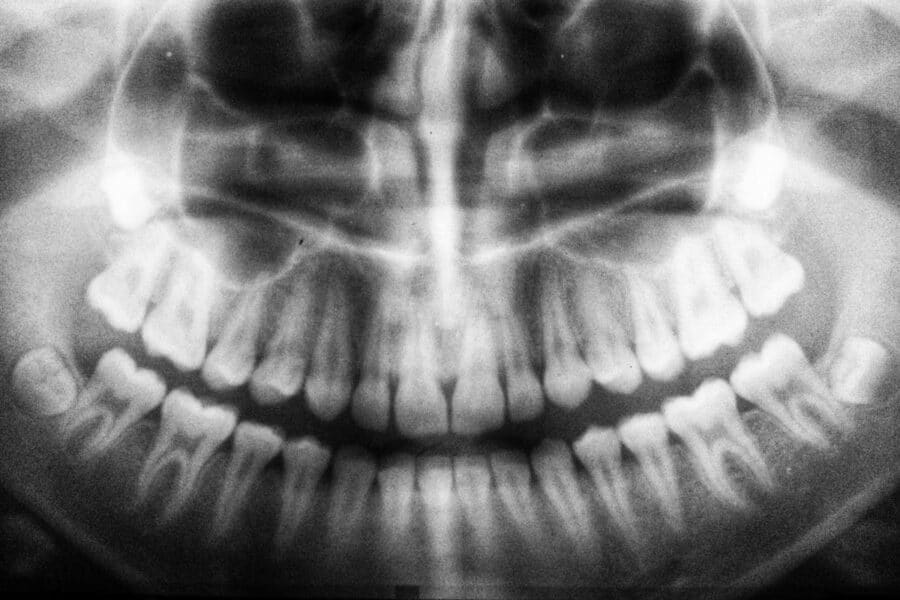
Temperature testing may be used in some cases. Gentle air, cold stimulus, or percussion can help isolate which tooth is responding and how intensely. X-rays can reveal decay, bone loss, failing restorations, or signs that the pulp inside the tooth has become irritated.
Sometimes the findings confirm what the patient suspected. Just as often, they uncover something unexpected. A person may point to a lower molar because that is where the pain seems to travel, while the true cause is an upper tooth with a crack or cavity. Teeth can refer pain in ways that confuse even very observant patients.
Early management often starts with simple, targeted changes
For many cases of mild to moderate dentin hypersensitivity, the first phase of treatment is conservative. That does not mean casual or vague. It means specific.
A dentist may recommend switching to a soft-bristled brush and changing brushing technique, especially if the gumline shows mechanical wear. Instead of scrubbing back and forth with force, most patients do better with small, controlled motions and a lighter grip. The difference can be significant within a few weeks.
Desensitizing toothpaste can help when used consistently, but many people give up too soon. It is common for patients to try it for three or four days and decide it “doesn’t work.” In reality, some formulations need a couple of weeks of regular use to reduce symptoms meaningfully. Patients who use a small smear directly over a sensitive area before bed sometimes notice more benefit than those who only brush and rinse immediately.
Diet counseling can matter more than expected. Acid exposure is often underestimated because it does not always look obvious. Sports drinks, sparkling water with citrus, vinegar-heavy dressings, kombucha, and frequent snacking on acidic foods can all contribute. The issue is usually not one item in isolation. It is the frequency of exposure and the habit of sipping or grazing throughout the day.
In-office treatments that can calm sensitivity
When home care is not enough, a general dentist has several in-office options that can provide stronger relief. Which one makes sense depends on what is causing the pain and how severe it has become.
Here are some of the common approaches a dentist may use:
- Apply a professional desensitizing agent or fluoride varnish to exposed areas.
- Place a small tooth-colored bonding material over worn or exposed root surfaces.
- Replace a defective filling that is leaking or leaving dentin unprotected.
- Adjust the bite if certain teeth are absorbing excess force from clenching or grinding.
- Recommend a custom night guard when wear patterns suggest nighttime bruxism.
These treatments work for different reasons. Varnishes and desensitizers help block exposed dentinal tubules or strengthen the tooth surface. Bonding creates a physical seal over vulnerable areas. Filling replacement addresses structural failure. Bite adjustments and night guards reduce the repeated stress that keeps the tooth irritated.
One practical point from real-world care is that patients often want immediate, total relief after one visit. Sometimes that happens, especially when the cause is localized and clear. Other times improvement comes in stages. A tooth may feel 50 percent better after a protective varnish and much better again after four weeks of gentler brushing and reduced acid exposure. Setting that expectation honestly tends to produce better long-term results than promising an instant cure.
When sensitivity points to a cavity or failing restoration
Not every sensitive tooth is “just sensitive.” General dentists are trained to separate routine hypersensitivity from pathology that needs restorative treatment.
Cavities often cause sensitivity to sweets and cold. If decay has penetrated the enamel and reached dentin, the tooth may react sharply. A filling can restore the shape and seal of the tooth, but timing matters. Smaller areas of decay are easier to treat conservatively. Waiting too long can allow the problem to deepen and involve the nerve.
Older restorations can also become part of the problem. Fillings are not permanent in every case. Margins can break down, tiny gaps can form, and recurrent decay can develop around an existing restoration. Patients are sometimes surprised to learn that the sensitive tooth already had treatment years ago, and the issue now is not the original cavity but the aging repair.
This is another reason a comprehensive exam matters. Sensitivity should never be reduced to a one-size-fits-all product recommendation. If the tooth structure itself is compromised, the treatment has to address that directly.
Cracks, grinding, and bite stress are easy to miss at home
Some of the most frustrating sensitivity cases involve teeth that look almost normal to the patient. There may be no obvious hole, no visible swelling, and no dramatic change in appearance. Yet the tooth hurts with cold or biting pressure because a small crack or heavy bite stress is at work.
Grinding is especially common, and many patients do not know they do it. They learn about it from a partner who hears the sound at night, or from a dentist who spots flattened chewing surfaces, small fractures, or tenderness in the jaw muscles. Constant pressure weakens the tooth over time. Tiny cracks may not show on an X-ray, but the history and exam clues still point in that direction.
A custom night guard can be a valuable tool in these situations. It does not reverse existing wear, but it can protect the teeth from ongoing damage and reduce the repeated stress that keeps sensitivity alive. This is one of those areas where professional customization matters. Over-the-counter guards may provide some cushioning, but if the fit is poor or the bite is altered badly, they can create other problems.
Gum recession changes the equation
Root sensitivity is often tied closely to recession. When gums pull away from the tooth, root surfaces lose their natural protection and become much more reactive to temperature and touch. Patients often notice this while brushing or during cleanings.
Mild recession can often be managed with home care adjustments and in-office desensitizing treatments. More advanced cases call for a broader discussion. Is the recession stable, or progressing? Is there underlying periodontal disease? Is the brushing technique contributing? Is the bite traumatic in that area? These are not cosmetic questions alone. They affect whether the tooth can remain comfortable and healthy over time.
In selected situations, referral to a periodontist may be appropriate, especially when recession is severe or gum grafting needs to be considered. A good general dentist knows when conservative management is enough and when a specialist can help protect the tooth more effectively.
Whitening and sensitivity, a very common trade-off
Many adults want a brighter smile, and whitening is common. It is also one of the most frequent temporary triggers for sensitivity. That does not mean whitening is unsafe when supervised properly. It means patients need realistic guidance.
The trade-off is straightforward. Whitening can penetrate the tooth and create transient sensitivity, especially in people who already have recession, enamel wear, or a history of reactive teeth. A general dentist can help manage this by recommending lower-strength products, shorter wear times, spacing treatments apart, or using desensitizing products before and after whitening.
This is far better than experimenting alone with strong over-the-counter kits while hoping for the best. Professional oversight does not only improve aesthetics. It helps protect comfort.
The home habits that make the biggest difference
Dentists can do a great deal in the office, but sensitive teeth often improve most when patients change the small habits that keep aggravating the problem. The challenge is that these habits feel harmless until someone points out their cumulative effect.
The most useful home strategies usually include the following:
- Brush with a soft brush and light pressure, especially at the gumline.
- Use desensitizing toothpaste consistently for at least two to four weeks.
- Reduce frequent acidic drinks and rinse with water after acidic foods.
- Avoid brushing immediately after acidic beverages, when enamel is softer.
- Wear a prescribed night guard if clenching or grinding is part of the picture.
None of these steps is glamorous, but they are effective. The patients who improve steadily are often the ones who commit to these basics without trying to shortcut the process.
One example comes up often in practice. A patient switches from a medium-bristle brush to a soft one, stops “scrubbing” the lower canines, uses a sensitivity toothpaste nightly, and cuts back from all-day sparkling water sipping to mealtime consumption. At the follow-up, the symptoms are not magically erased, but they are clearly reduced. That kind of progress is common, and it is meaningful.
When sensitivity needs more than general care
Most sensitivity can be managed in a general dental office, but not every case stops there. If the pain suggests irreversible pulp inflammation, a root canal evaluation may be needed. If recession is advanced, periodontal treatment may become part of the plan. If sinus issues, jaw disorders, or referred pain complicate the picture, diagnosis may widen beyond a single tooth.
Knowing those boundaries is part of good general dentistry. A skilled general dentist does not need to do everything personally to manage the case well. Sometimes the best care is recognizing when a specialist should step in, while still coordinating the overall plan and helping the patient understand what happens next.
That coordination is especially valuable because sensitive teeth can be emotionally wearing. cosmetic dentist Santa Clarita Patients often become anxious when eating hurts or cold air stings unexpectedly. Clear explanations help. People do better when they know whether the problem is reversible, manageable, urgent, or simply requiring patience and follow-through.
Why local follow-up matters in Santa Clarita
Sensitivity is not always fixed in a single visit, and that is where continuity of care becomes important. Seeing a general dentist in Santa Clarita CA gives patients the advantage of local follow-up when symptoms change, a filling needs reevaluation, or a night guard requires adjustment. Tooth pain is dynamic. What feels mild today can become more persistent next month. Having a dental home makes that easier to address before the problem escalates.
Local care also means your dentist can track patterns over time. A single snapshot matters, but a record of enamel wear, recession, bite changes, and restoration history often tells the bigger story. For patients with recurring sensitivity, that history is extremely useful. It allows the dentist to compare, reassess, and decide whether the issue is stabilizing or heading in the wrong direction.
A careful approach usually works best
There is a practical rhythm to treating tooth sensitivity well. First, identify the cause rather than assuming. Next, reduce triggers and protect the tooth. Then reassess. If the sensitivity improves, maintain the habits and monitor the area. If it persists, deepen the evaluation and escalate treatment appropriately.
That measured approach may not sound dramatic, but it is the reason many patients get lasting relief rather than temporary guesswork. Sensitive teeth can come from a dozen different paths, and the successful treatment is the one that matches the actual reason the pain started.
For some people, the answer is as simple as changing a toothbrush and using fluoride varnish. For others, it is a filling, a bonded root surface, a night guard, or treatment for deeper disease. What connects all of these cases is the role of an attentive general dentist who listens carefully, examines thoroughly, and chooses the least invasive effective solution.
When cold water, sweet foods, or brushing begin to hurt, it is worth having that conversation sooner rather than later. Sensitivity may be minor, or it may be the early warning sign that saves a tooth from a more serious problem later on.
Smyle Dental Newhall
Address: 23754 Newhall Ave, Santa Clarita, CA 91321
Phone number: +16612559200
FAQ About General dentist Santa Clarita CA
What does it mean by general dentist?
A general dentist is your primary dental care provider. They focus on the overall prevention, diagnosis, and treatment of your daily oral health needs. Think of them as your primary care doctor, but for your teeth and gums.
What is the difference between a dentist and a general dentist?
A dentist is a broad professional title for any licensed oral healthcare provider, while a general dentist is a specific type of primary care dentist who focuses on routine, preventive, and everyday treatments.
What is the difference between a dentistry practitioner and a dentist?
A dentist is a licensed doctoral-level healthcare professional, whereas a dental practitioner is a broader umbrella term that can include dentists as well as other trained oral health professionals.